
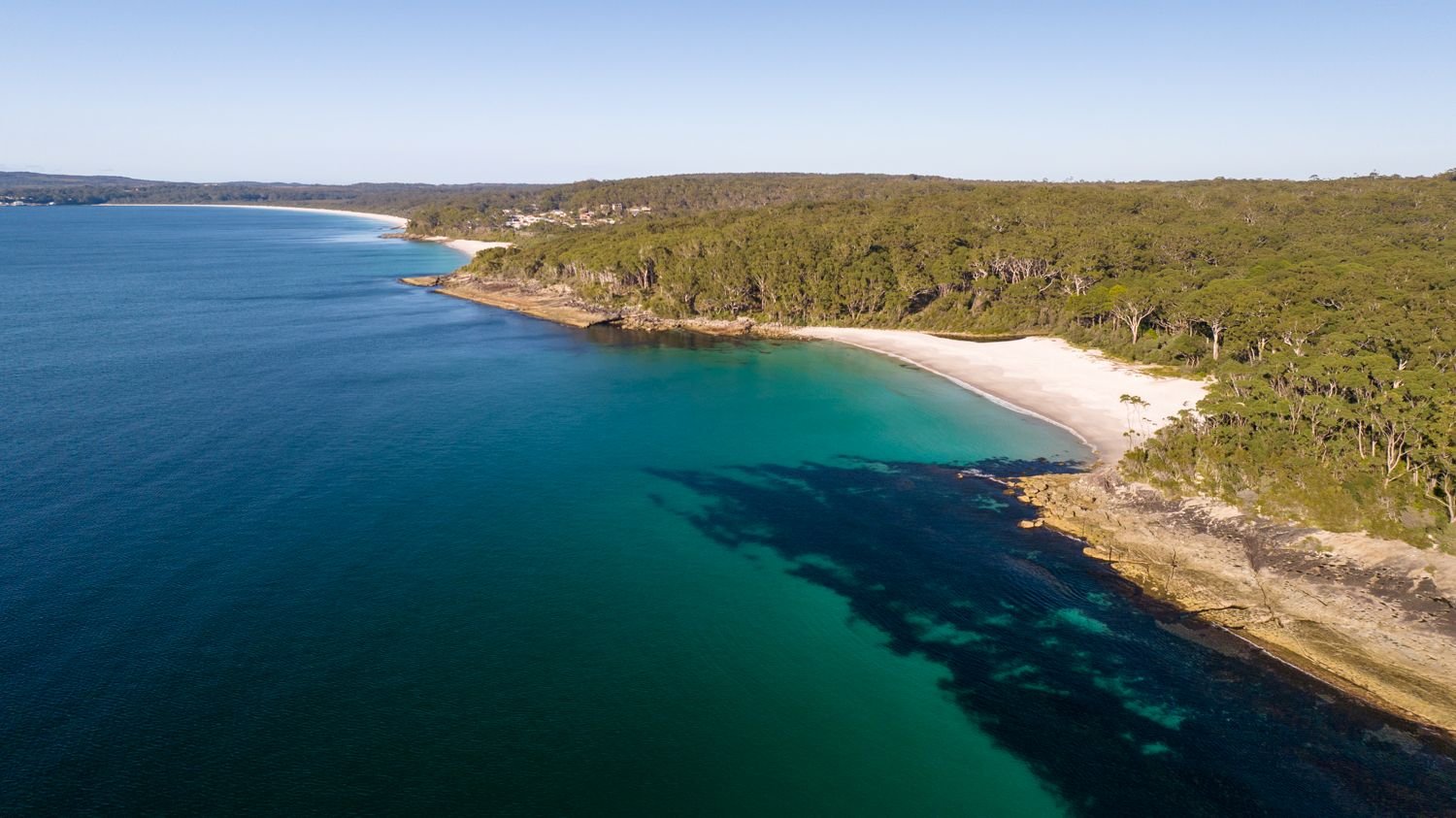
Healthy habitat. Better fishing.
Practical knowledge for responsible fishing and resilient fisheries.
Fishers for Sanctuaries brings recreational fishing, marine science and practical conservation together. We make clear, useful resources about responsible fishing, healthy habitats and the role of well-designed marine sanctuaries in New South Wales. Whether you’re new to fishing or have spent a lifetime on the water, there’s a place to start.
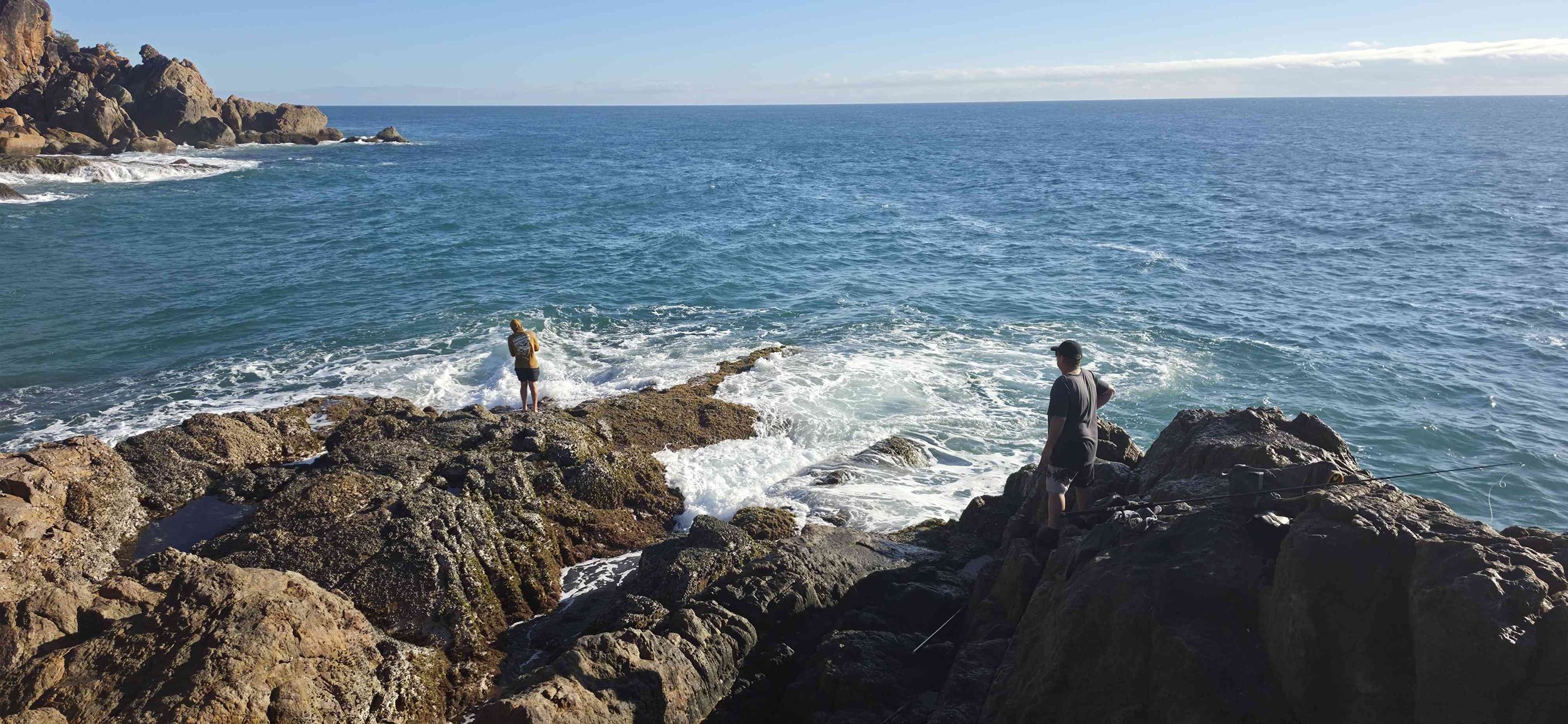
Research, Untangled
Choose a quick take or a closer look. Our 3–3–3 guides offer a 3 Second Take, a 3 Sentence Summary and a 3 Minute Evaluation, with a link to the original paper.
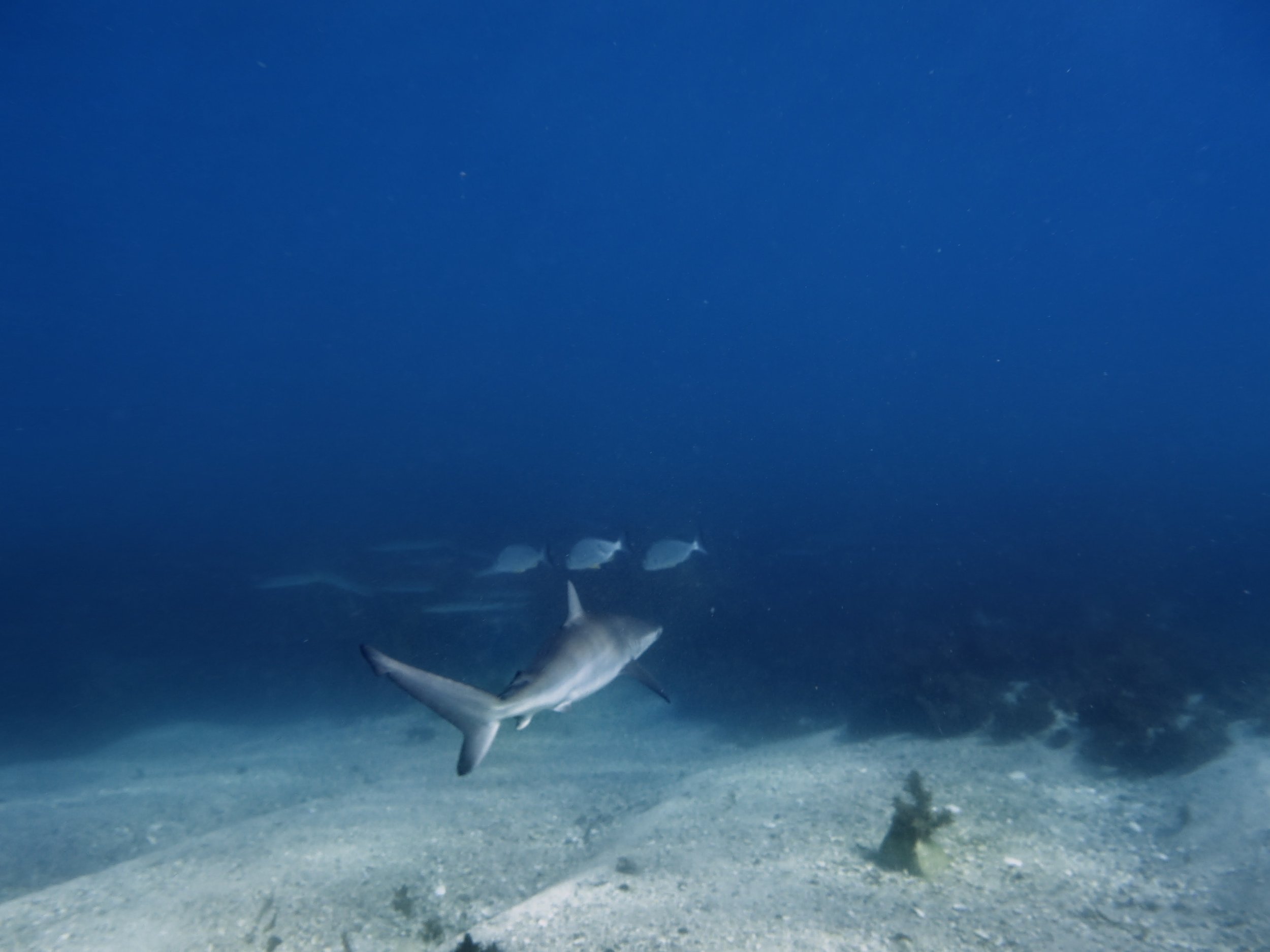
Why sanctuaries matter
Explore how protected areas where fishing is not allowed can help marine life, and why location, design and enforcement matter.
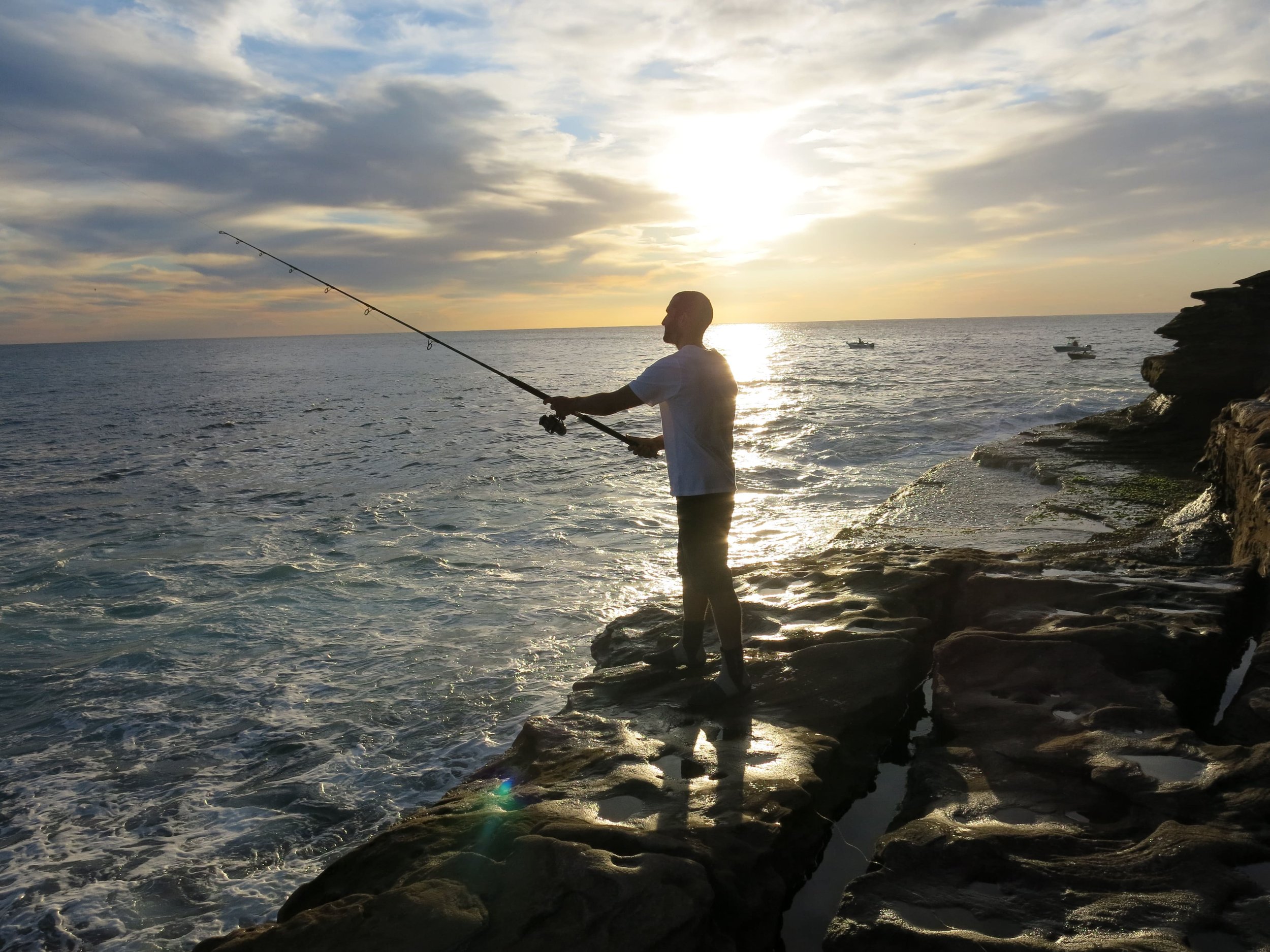
Responsible fishing
Use our ten-principle Code for practical ways to care for fish, protect habitat, avoid waste and share the water.
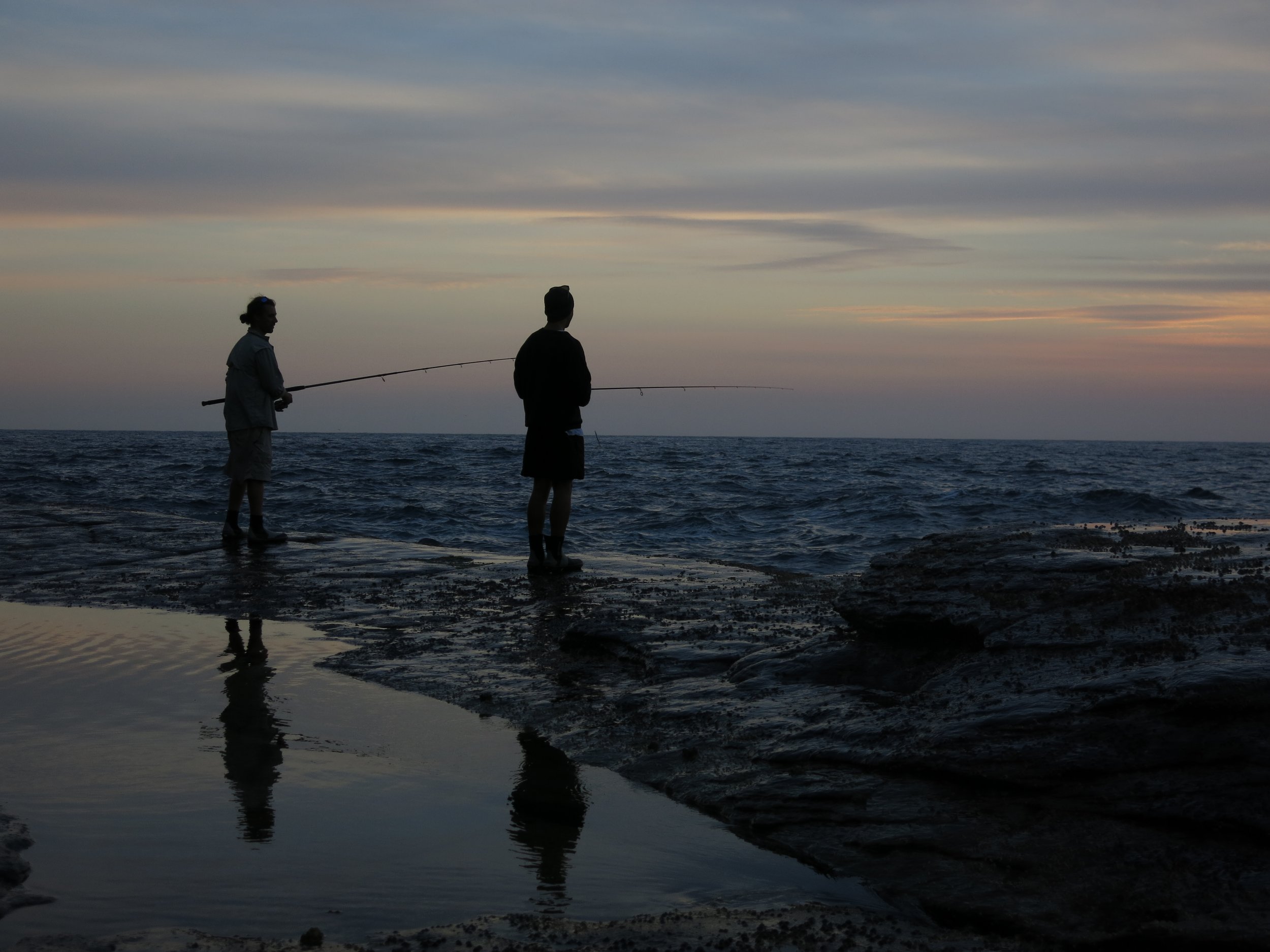
Resources for you & your club
Find the club starter pack, a marine sanctuary guide, 3–3–3 science tools and a plain-language glossary. Read them yourself or use them to start a club discussion.
── About Fishers for Sanctuaries
We’re recreational fishers, marine scientists and communicators with a shared interest in healthy oceans and fishing’s future. Our mission is to help fishers understand how healthy habitats, responsible fishing and well-designed sanctuary protection can support healthy fish populations in New South Wales.
This project brings together guides, research summaries and learning resources for anglers, spearfishers and fishing clubs. We value local fishing knowledge and welcome people with different experiences and questions.
Our position
We support lawful recreational fishing and practical conservation. Well-designed marine sanctuaries have a place alongside responsible fishing and wider fisheries management. Their benefits depend on where they are, how they are managed and what happens around them. We recognise that protection can change fishing access, and we explain the evidence, limits and trade-offs. The project is independent and non-partisan.
── Meet the team
Dr Alex Rigg
Project lead · Marine scientist & educator
Alex is a NSW recreational fisher who regularly fishes for yellowtail kingfish and drummer. He taught high-school science for more than ten years before completing his PhD in marine biology. He leads the project and brings marine research, teaching experience and practical fishing knowledge to our resources.
Pat Williams
Fishing writer, editor and photographerPat is a lifelong fisher with more than 15 years’ experience in Australian publishing. His writing and photography have appeared across major recreational fishing titles. From his early days fishing Pittwater to the rock ledges of the NSW coast, Pat brings fishing experience and a clear, practical voice to the project.
Will Knoke
Fish ecologist and recreational fisher
Will is a PhD candidate at the University of Technology Sydney and a lifelong recreational fisher. His research explores fish, their habitats and changing coastal environments. He helps connect scientific evidence with fishing experience, checking how we explain studies and what they may mean on the water.
──
Acknowledgements
Our resources draw on Resilience on the Water – Protecting NSW’s Recreational Fisheries, by Alexander Rigg and Patrick Williams, published by the Australian Marine Conservation Society. We also acknowledge Friends of Long Reef’s sustainable fishing workshop material, which helped inform our responsible fishing principles.
We thank Valerie Taylor and Blue World for supporting Fishers for Sanctuaries through the 2026 Valerie Taylor Ocean Prize. This support has helped us develop the website and educational resources for recreational fishers.
Looking to collaborate?
Interested in using our resources with your club, sharing research or working together? We’d like to hear from you. You can also get in touch with questions, feedback or corrections.