
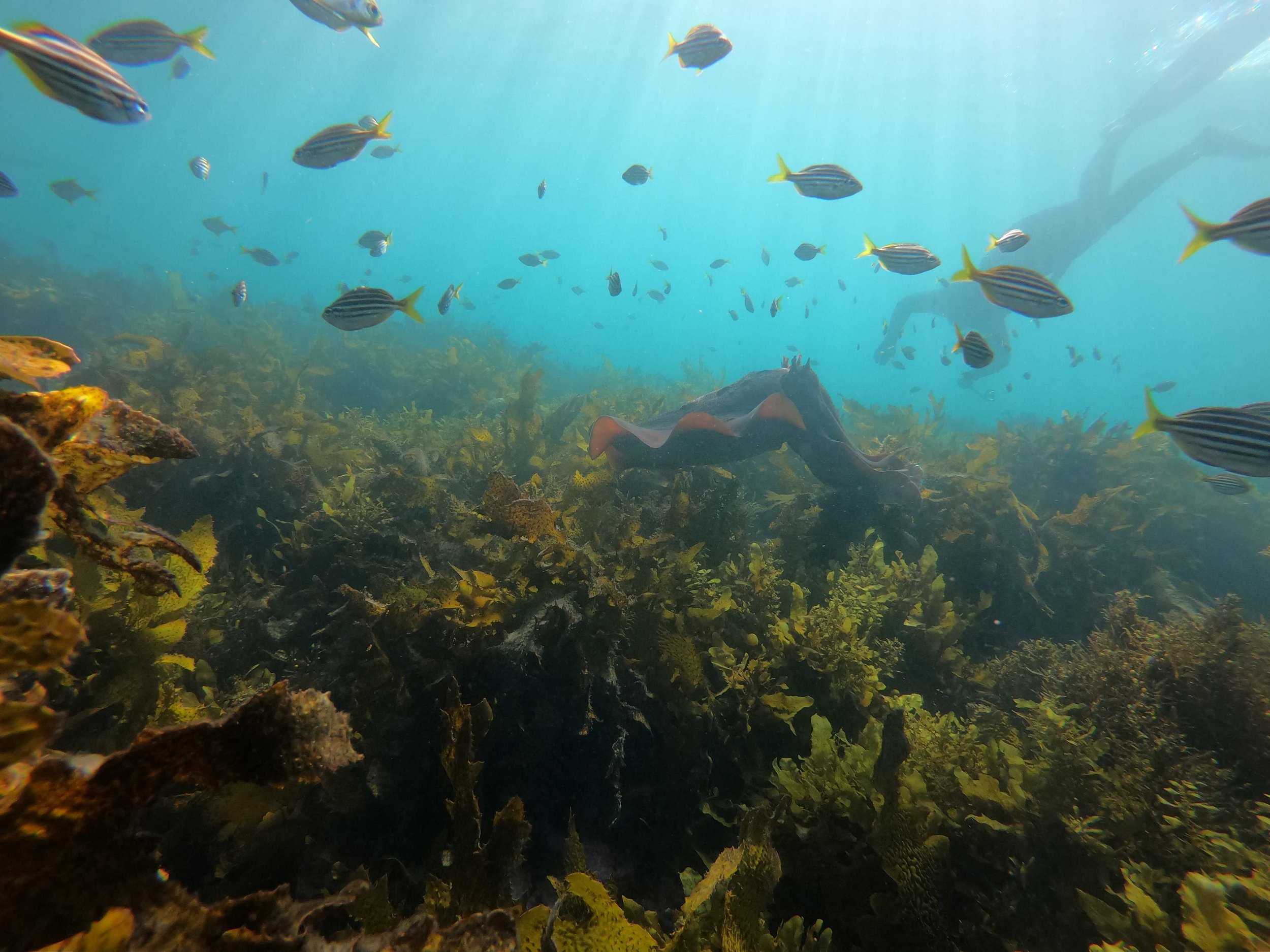
── Responsible Fishing
The Fishers for Sanctuaries Code
Fishing well means caring for the places we fish, the fish we catch and the people who share the water. These ten principles are a shared starting point for anglers, spearfishers and fishing clubs.
Responsible fishing and well-designed sanctuary protection both have a place in caring for healthy marine habitats.
Ten principles for fishing well
1
Know the rules.
Check current bag and size limits, gear rules, closures and protected species before you go fishing
6
Handle fish for survival.
Wet your hands, support the body, minimise air exposure and avoid hot or dry surfaces.
2
Take only what you need.
Avoid waste and look after fish kept for a feed.
7
Release with care.
Return unwanted or illegal fish quickly. For barotrauma (pressure-related injury), use a release method suited to the species & depth.
3
Protect habitat.
Avoid damage to reef, seagrass, kelp, rock platforms, wetlands and wildlife areas.
8
Dispatch humanely.
Kill kept fish quickly and humanely. Cool and store the catch properly so it is not wasted.
4
Respect place restrictions.
Check reserve, sanctuary and collection rules before using or taking anything.
9
Share the water.
Give fishers, divers, swimmers, paddlers, surfers and shore users safe space.
5
Use suitable gear.
Land fish efficiently and choose hooks and release tools that reduce avoidable injury.
10
Report problems.
Act on pollution, lost gear, entangled wildlife and suspected illegal fishing; help new fishers learn.
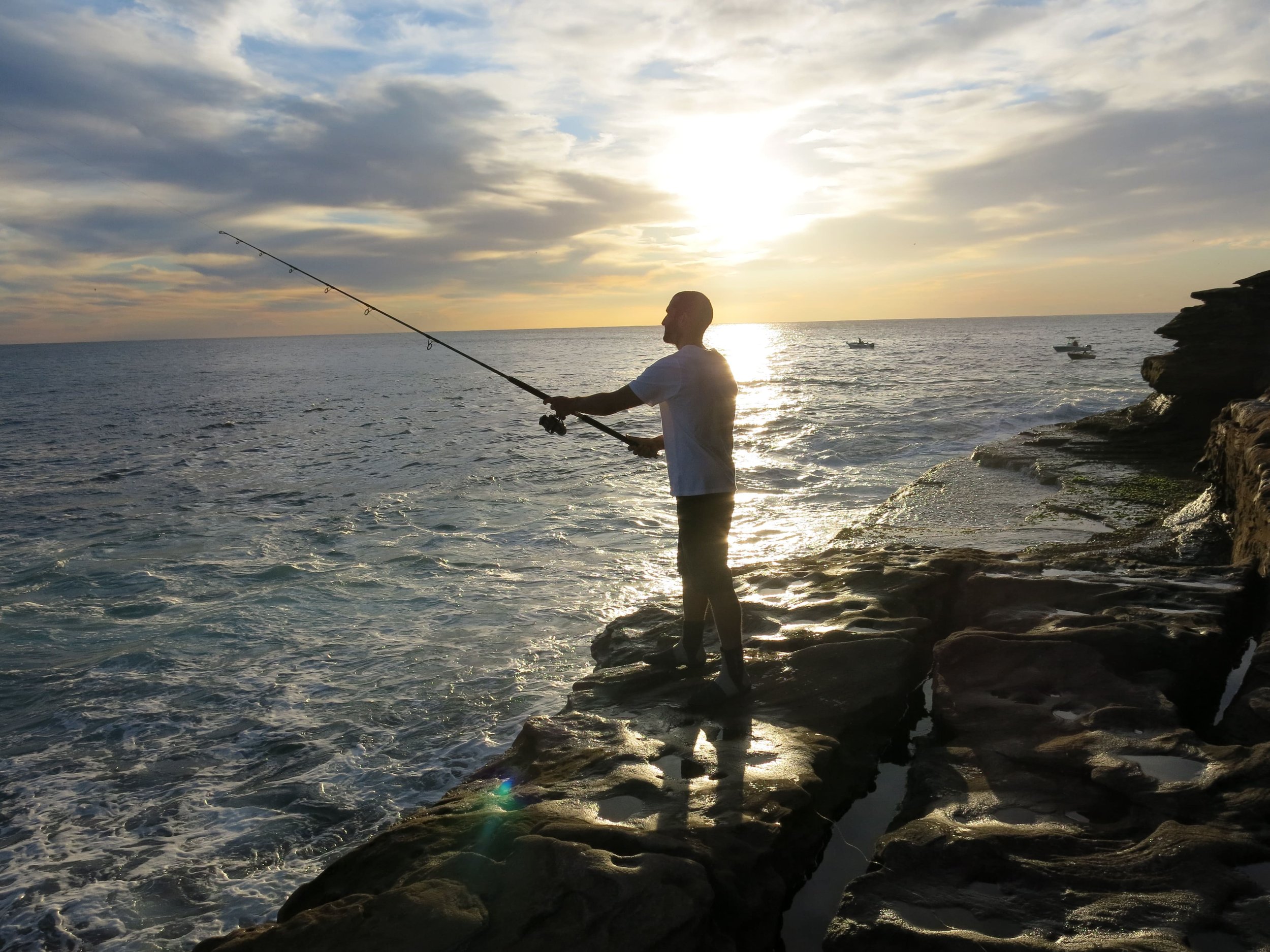
Where the principles came from
The Code draws on material Friends of Long Reef prepared for a May 2026 workshop with local fishing and spearfishing club leaders. The workshop drew on Australian responsible-fishing guides and encouraged clubs to develop or strengthen their own codes and share good practice with members.
Fishers for Sanctuaries has drawn on that material to prepare this short Code and the extended principles. They bring habitat care, fish welfare, safety and respect for others into a common starting point for fishers and clubs.
Read, download and share
The short Code
A one-page version of the ten principles above, using the same wording as our Club learning pack. Keep a copy or use it to start a conversation with your club.
The extended principles
Five themes and 20 actions, with more detail, source references and questions for club discussion.
For the Club learning pack and related sanctuary and science resources:
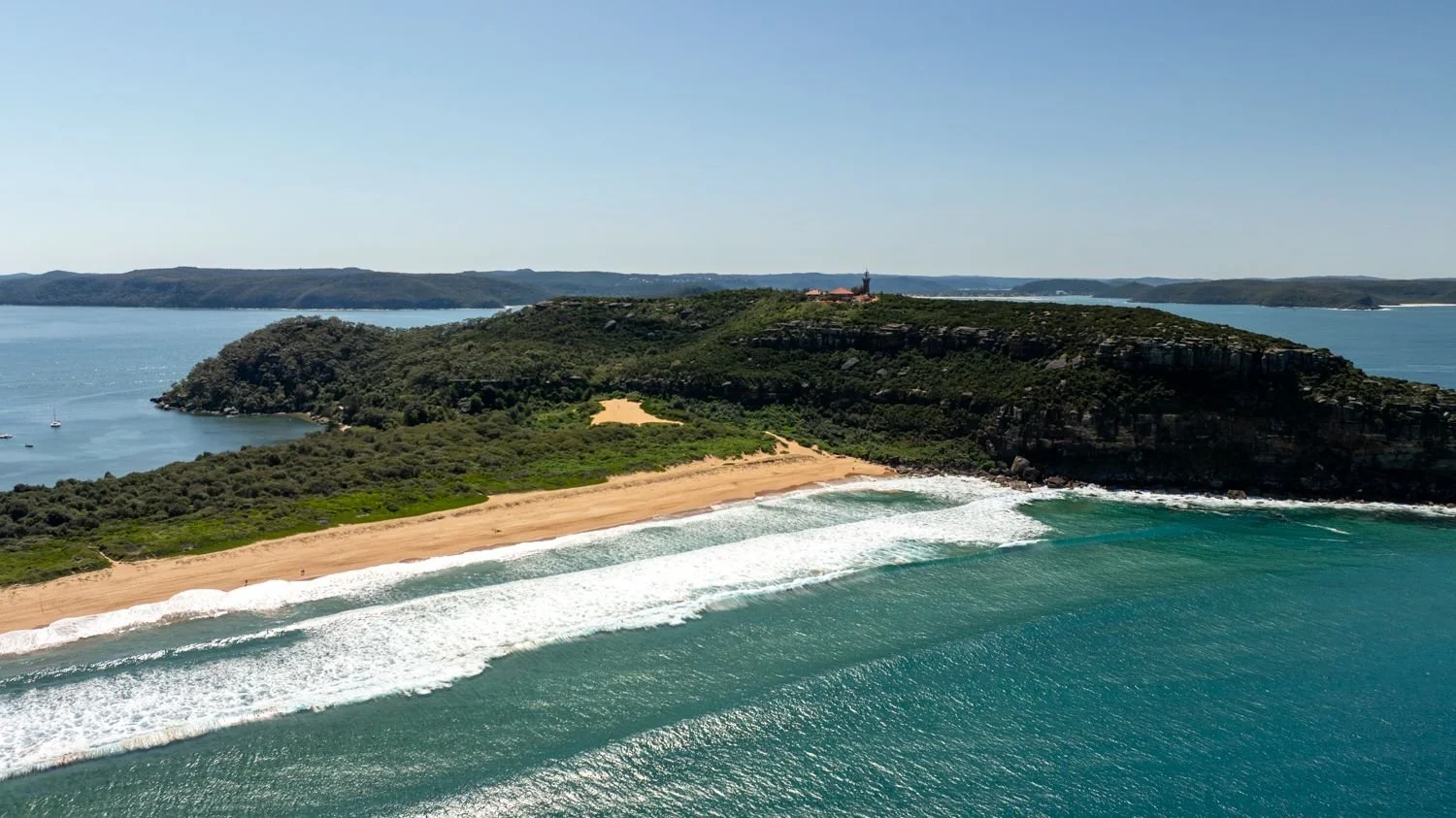
NSW marine parks and aquatic reserves
Marine protected areas have different purposes and levels of protection. A marine park can include both places where fishing is allowed and sanctuary zones where marine life is protected from fishing and collecting.
The comparison below covers all six NSW marine parks and all 12 NSW aquatic reserves. Marine and estuarine areas within national parks and nature reserves, and Commonwealth marine parks offshore, are managed separately.
Yes = allowed, subject to current species, gear and closure rules. No = prohibited. Some zones / areas = allowed only in the specified parts. Limited = only specified species or methods. Select an area name for its official map and rules.
“Line fishing” means recreational hook-and-line fishing. “Collecting” covers bait, invertebrates, marine plants and shells; method exceptions are noted. This summary does not cover every fishing method or permit. Additional beach and estuary spearfishing closures apply.
Official sources checked 8 September 2026. NSW marine protected areas · NSW spearfishing rules
Marine parks
Permissions vary within each park. Sanctuary zones generally prohibit fishing and collecting; Batemans has specific access arrangements described below. Habitat protection, general use and special purpose zones have their own restrictions.
A summary of recreational fishing and collecting in all six NSW marine parks. “Some zones” means you must check the zone at your exact location. Follow each park link for its zoning map and current rules. NSW species protections, closures, gear rules, and size and bag limits also apply.
Swipe or scroll sideways to see all columns.
| Marine park | Line fishing | Spearfishing | Collecting | Key qualification |
|---|---|---|---|---|
| Cape Byron | Some zones | Some zones | Some zones | Areas limited to shore-based line fishing, seasonal closures and species restrictions apply. |
| Solitary Islands (NSW) | Some zones | Some zones | Some zones | Areas limited to shore-based line fishing and local collection closures apply. No spearfishing in estuaries. |
| Port Stephens–Great Lakes | Some zones | Some zones | Some zones | Some areas allow only shore-based line fishing, taking specified baitfish, or seasonal trolling. Check the rules for each zone. |
| Jervis Bay (NSW) | Some zones | Some zones | Some zones | No spearfishing in creeks or the Hyams Beach habitat protection zone. Booderee National Park has separate rules. |
| Batemans | Some zones | Some zones | Some zones | An enforcement amnesty applies to specified recreational methods in some sanctuary areas. See the Batemans note below. |
| Lord Howe Island (NSW) | Some zones | No | Limited | Line fishing in habitat protection zones, with local restrictions. Permitted lobsters and crabs may be taken by hand collection only. |
Batemans amnesty: DPIRD’s enforcement amnesty applies only to the areas and recreational fishing methods specified in its official recreational fishing FAQ. Other fishing restrictions continue to apply. Check the FAQ and current map for the covered areas, methods and seasonal restrictions before fishing in an affected sanctuary zone.
Collecting: Restrictions can apply to taking invertebrates, bait, marine vegetation and shells. Check which species and methods are permitted in the zone. At Lord Howe Island, consult the official user guide (PDF) for permitted species and collection methods.
This table covers NSW state marine parks. Commonwealth marine parks and Booderee National Park have separate rules.
Sources: NSW DPIRD marine park pages, maps and user guides, the Batemans FAQ linked above, and NSW fishing rules. Last checked: .
Batemans: current sanctuary access
The NSW Government applies an enforcement amnesty to specified fishing activities in areas that remain designated sanctuary zones. It is not a rezoning. Current official guidance says the arrangements continue until further notice.
Brou Lake South allows catch-and-release line fishing only. Montague Island South and East, Clarks Bay–Freshwater Bay, Forsters Bay and Nangudga Lake have different method and seasonal conditions. Other sanctuary zones remain closed to fishing.
View the current Batemans access arrangements
Use each linked park map for boundaries and the accompanying rules for methods, species and temporary closures. “Some zones” never means permission throughout the park.
Aquatic reserves
A summary of recreational fishing and collecting in all 12 NSW aquatic reserves, listed from north to south. Other NSW fishing rules still apply, including species protections, closures, gear rules, and size and bag limits. Collection restrictions also apply to taking invertebrates by fishing, including squid. Follow each reserve link to check the map and current rules before fishing or collecting.
Swipe or scroll sideways to see all columns.
| Aquatic reserve / zone | Line fishing | Spearfishing | Collecting | Key qualification |
|---|---|---|---|---|
| Cook Island — inner sanctuary zone | No | No | No | No fishing or collecting within the mapped inner closure, including taking empty shells. |
| Cook Island — outer zone | Yes | Yes | Yes, subject to NSW rules | Fishing and collecting are permitted outside the mapped inner closure. Set lines are prohibited throughout the reserve. |
| Barrenjoey Head | Yes | Yes | Limited* | Only the collection exceptions listed below. No taking other invertebrates, including squid, or empty shells. |
| Narrabeen Head | Yes | Yes | Limited* | Only the collection exceptions listed below. No taking other invertebrates, including squid, or empty shells. |
| Long Reef | Finfish only | Finfish only | No | Handheld rod or handline, or speargun, only. No taking invertebrates (including squid and cuttlefish), marine vegetation or empty shells. |
| Cabbage Tree Bay | No | No | No | No fishing or collecting anywhere in the reserve, including taking empty shells. |
| North (Sydney) Harbour | Finfish only | No | No | Handheld rod or handline only. No taking invertebrates (including squid and cuttlefish), marine vegetation or empty shells. |
| Bronte–Coogee | Yes | Some areas | Limited* | No spearfishing in Clovelly Bay, Gordons Bay or their mapped surrounding waters. Collection is restricted to the exceptions below. |
| Cape Banks | Yes | Yes | Limited* | Only the collection exceptions listed below. No taking other invertebrates, including squid, or empty shells. |
| Boat Harbour | Yes | Yes | Limited* | Only the collection exceptions listed below. No taking other invertebrates, including squid, or empty shells. |
| Towra Point — sanctuary zone | No | No | No | No fishing or collecting within the mapped sanctuary zone areas. |
| Towra Point — refuge zone | Yes | No | No hand collection | Fish and permitted invertebrates may be taken using a handheld rod or handline, or lawful recreational nets. No other fishing methods, bait pumping or vegetation collection. |
| Shiprock | No | No | No | No fishing or collecting anywhere in the reserve, including taking empty shells. |
| Bushrangers Bay | No | No | No | No fishing or collecting anywhere in the reserve, including taking empty shells. |
* Limited collection: At Barrenjoey Head, Narrabeen Head, Bronte–Coogee, Cape Banks and Boat Harbour, the exceptions are blacklip abalone, eastern rock lobster, southern rock lobster, sea lettuce (Ulva lactuca) and bait weed (Enteromorpha intestinalis). Other NSW rules still apply to these species. No other invertebrates, cunjevoi, marine vegetation or empty shells may be taken.
Finfish means bony and cartilaginous fish; it does not include squid, cuttlefish, octopus or shellfish. This table covers aquatic reserves; NSW marine parks have separate zoning rules.
Sources: NSW DPIRD aquatic reserve pages and maps, the 2025 Aquatic Reserve Notification (PDF) and NSW fishing rules. Last checked: .
* Limited collection: blacklip abalone, eastern and southern rock lobster, sea lettuce and bait weed only. Other invertebrates, marine vegetation and empty shells are protected. Species, size, bag and method rules still apply.
Other protected waters
The tables cover NSW marine parks and aquatic reserves. Marine and estuarine waters within national parks and nature reserves, and Commonwealth marine parks, need their own area-specific guidance. For example, Booderee allows line fishing under its rules, but prohibits spearfishing and protects all invertebrates and rock-platform species. Bring bait from outside the park.
Booderee fishing rules · Find a NSW national park
Commonwealth marine parks off eastern Australia
Sources checked 8 September 2026. If you spot a change, please send us the area name and current official source.